Aug. 14, 2026
University researchers often wear many hats. They lead laboratories, which includes designing experiments, analyzing and interpreting data, writing grants and journal articles; and they also teach, mentor the next generation of scientists and participate in academic and professional service activities.
You might assume balancing those responsibilities leaves little time for exercise, let alone training for a marathon. But for Jaume Padilla, running is not just a priority. He says it helps make him a better scientist.
Padilla, a NextGen Precision Health researcher and professor of nutrition and exercise physiology at the University of Missouri, studies how physical inactivity, obesity and type 2 diabetes affect blood vessel function. His lab recently published findings in the Journal of Applied Physiology that could point to a new way to reverse vascular damage caused by type 2 diabetes. The paper capped six years of work spanning cell culture studies, isolated artery experiments, and trials in mice and humans. Researchers found that oral administration of phosphatidylserine, a common phospholipid often used for memory support, helped restore blood vessel health likely by blunting a process that cleaves insulin receptors in blood vessels, a hallmark of vascular insulin resistance in type 2 diabetes.
In 2025, Padilla accomplished another long-term goal. After years of training and several near misses, he finished the Indianapolis Monumental Marathon in 2:56:36, breaking the three-hour barrier for the first time. He says the same qualities required for successful research — persistence, discipline and a willingness to embrace incremental progress — are also essential in marathon training.
In this interview, Padilla discusses how his scientific background informs his approach to running, how running influences his research and writing, and how he balances both pursuits.
When did you start running marathons?
Running has always been part of my active lifestyle, but it became a greater focus in my late 30s when I promised my graduate students I would complete a marathon before turning 40. At 39, I fulfilled that promise by signing up for the Heart of America Marathon in Columbia.
I finished the 2019 Heart of America Marathon in 3:40, leaving everything on the course. Exhausted and nauseated, I still felt a great sense of accomplishment, and only a few hours later I was already planning the next race.
Fast forward seven years, and I have completed 17 marathons, including four Boston finishes, while pursuing the goal of breaking the 3-hour barrier. After many attempts, I finally reached this goal in November 2025 at the Indianapolis Monumental Marathon, finishing in 2:56:36.
This achievement was deeply meaningful because breaking three hours was not a single moment of success; it was the accumulation of years of persistence and training. Success in running, much like success in academic research and life, comes from resilience, consistency and the commitment to keep moving forward. Small incremental improvements repeated over years eventually become breakthroughs.
How does running relate to your responsibilities as a faculty member?
There is a symbiotic relationship between running and writing. Preparing manuscripts and grant applications requires creativity and focus, and many of my best research ideas emerge while I am running in nature, disconnected from screens. After running, I feel more focused, which creates an ideal window for creative activities such as writing. In turn, writing itself provides the necessary recovery period between demanding training sessions. This interplay and rhythm between running and writing helps sustain both pursuits.
The lessons also translate to teaching. Endurance events engage all organ systems and experiencing those demands firsthand provides valuable insight when explaining physiological concepts. As an exercise physiologist and researcher, I also enjoy tweaking components of my own training to determine what works best. In that sense, I experiment on myself. These experiences allow me to understand and teach the physiology of exercise more effectively. It is gratifying when your profession intersects with your hobby.
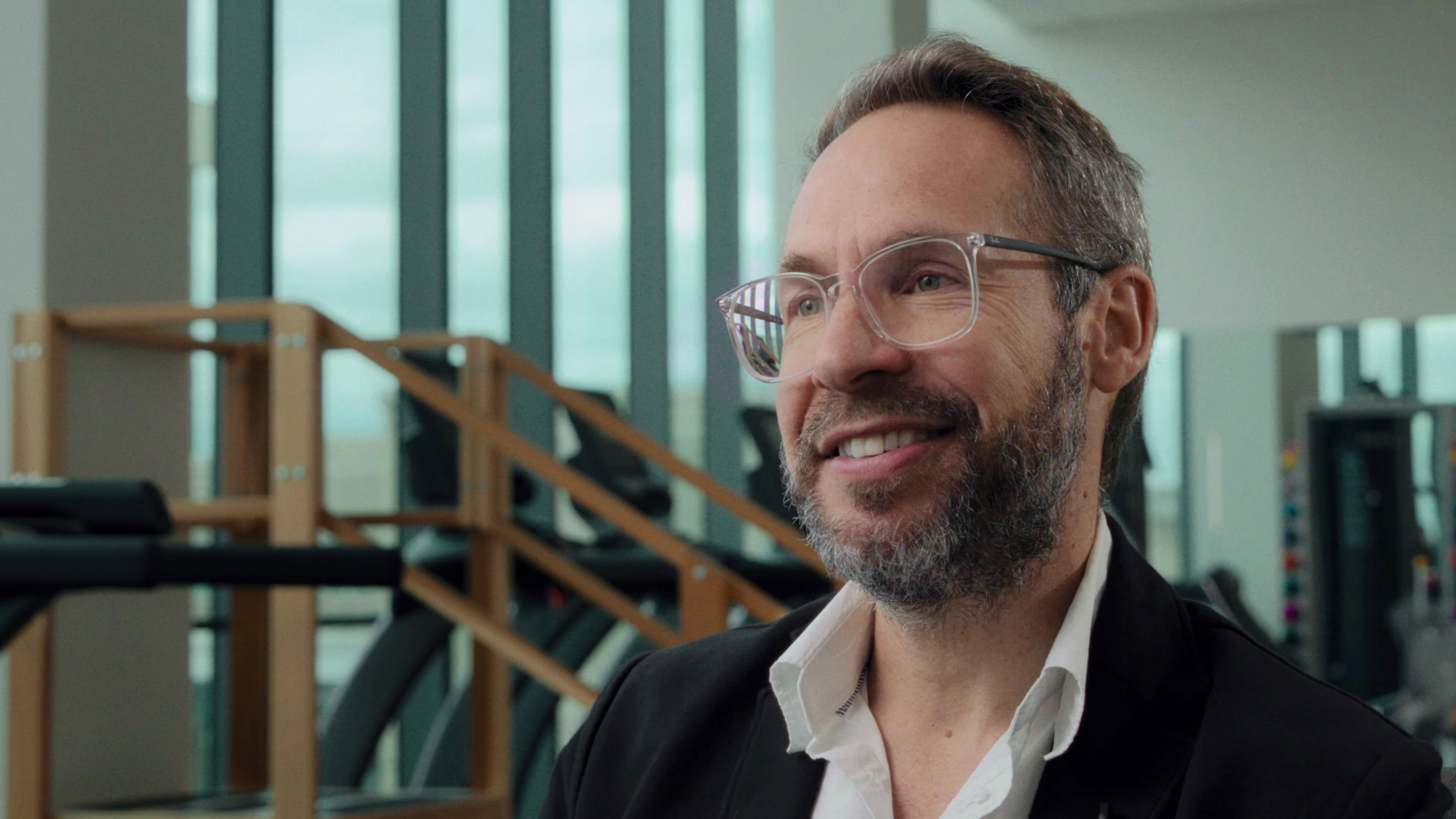
What other benefits does running have?
The benefits of running extend well beyond the workout itself. Regular physical activity is associated with a lower risk of chronic diseases, including type 2 diabetes, cardiovascular disease and certain cancers. While the majority may not be capable of reaching marathon running, it is compelling to imagine how many chronic diseases could be prevented if running, or any form of regular physical activity, were more widespread. As marathon legend Eliud Kipchoge said, “A running world is a healthy world.”
Running is also often paired with other healthy habits, including nutritious eating and adequate sleep. Those routines benefit me personally, and I hope they also positively influence my three daughters as they develop their own habits. Family support is also essential, and I am fortunate to have a family that understands and supports my commitment to science and my running goals.
What is so special about the marathon?
Running is a minimalist sport, which aligns well with my personality. In a complicated world, it is refreshing to just lace up your shoes and go. The marathon distance itself carries a certain magic, and those 26.2 miles have a unique way of humbling you. Indeed, the marathon finds a way to put you where you belong; it does not care about your ego or your resume. Showing up at the start line is always a celebration — a celebration that you are healthy and strong.
What makes the marathon especially appealing to a scientist is its complexity. You spend four to six months preparing for a single race, constantly adjusting training to optimize performance. Training for a marathon requires a lot of discipline, structure and focus. It is a lifestyle. As race day approaches, factors like tapering mileage, proper fueling, hydration and pacing all come into play alongside uncontrollable elements such as the weather. There are no shortcuts when training for a marathon. The work always reveals itself over the 26.2 miles.
What suggestions do you have for aspiring runners?
Columbia offers an excellent trail system that makes year-round running accessible and enjoyable. If you are new to the sport, build a solid foundation through strength training and gradually increase your mileage to prevent injuries. Consistency is the key. One of the beautiful things about running is that improvement remains possible at any age. Embrace the identity and call yourself a runner.
What advice would you give others who find it difficult to fit exercise into their schedules?
The best strategy is to fit it in first thing in the morning, before anyone else in the household wakes up and before the chaos of the workday begins. The first hour of the day may be the only hour you can fully control. Having your shorts and running shoes laid out by the door the night before helps because it removes one more decision when the alarm goes off. Just remember, you will never regret having exercised, but you will almost always regret skipping it. Exercising in the morning sets a positive tone for the rest of the busy day.